By now, most healthcare professionals have heard about the dangers of surgical smoke. What was once an overlooked byproduct of surgery is now recognized as a serious occupational hazard. In response, states across the country have introduced legislation to make smoke evacuation mandatory in operating rooms—and Delaware, Missouri, and North Carolina are among the latest to take action.
Surgical Smoke 101: What Every Facility Should Know
Surgical Smoke By the Numbers
Exposure
500,000+ healthcare workers are exposed to surgical smoke every year.
Chemicals
Surgical smoke contains 150+ hazardous chemicals, including carcinogens and mutagens.
Equivalent
Daily exposure for OR staff is equivalent to smoking 27–30 cigarettes.
Respiratory Health
OR nurses experience 2× the incidence of respiratory illness compared to other hospital staff.
Long-Term Risk
Nurses with 15+ years in the OR have a 69% greater risk of developing COPD than those in administrative or educator roles.
These statistics underscore the urgency behind smoke evacuation—and why states are stepping up.
Legislative Effective Dates

Delaware
April 1, 2026
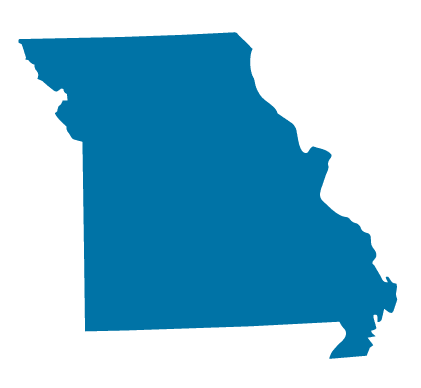
Missouri
January 1, 2026

North Carolina
January 1, 2026
Together, these states reflect the growing momentum behind smoke evacuation legislation and the commitment to safer operating environments nationwide.
A Nationwide Movement
With Delaware, Missouri, and North Carolina joining the ranks, the total number of states mandating smoke evacuation has now reached 20. Since Rhode Island led the charge back in 2018, the movement has nearly doubled in just a few years—thanks to tireless advocacy from nurses, coalitions, and public health leaders.
What Facilities Can Do Now
Safety in the OR is a shared responsibility. While legislation continues to expand, hospitals don’t have to wait to protect their teams. CONMED offers a full line of smoke evacuation solutions designed to meet compliance standards and support healthier surgical environments.